Rice husk, once dismissed as a useless byproduct of rice milling, is now recognized as a highly valuable industrial raw material. Comprising about 20% of rough rice weight, it is rich in silica, cellulose, and lignin—components that give it exceptional properties for diverse applications. Instead of being burned (which causes air pollution), rice husk is increasingly collected, processed, and repurposed across energy, construction, agriculture, and advanced manufacturing sectors.
One of the most significant uses of rice husk is as a renewable energy source. With a calorific value of around 3,500–4,000 kcal/kg, it is ideal for direct combustion in industrial boilers, or for making biomass briquettes and pellets that replace coal and furnace oil. Rice husk can also be gasified to produce syngas for electricity generation or converted into biofuels like bioethanol and biodiesel. In states like Punjab and Haryana, rice mills are using husk-powered boilers to achieve energy self-sufficiency while cutting fuel costs and carbon emissions.
In construction, rice husk ash (RHA)—produced by controlled burning—contains up to 90% amorphous silica, making it a powerful partial substitute for Portland cement in concrete. This improves durability, reduces permeability, and lowers the carbon footprint of buildings. Rice husk is also used to make lightweight insulation panels, autoclaved aerated concrete blocks, and even eco-friendly bricks. Beyond construction, carbonized rice husk serves as an effective, low-cost water filter that removes heavy metals and organic pollutants, while rice husk biochar enhances soil health by improving water retention, nutrient cycling, and microbial activity.
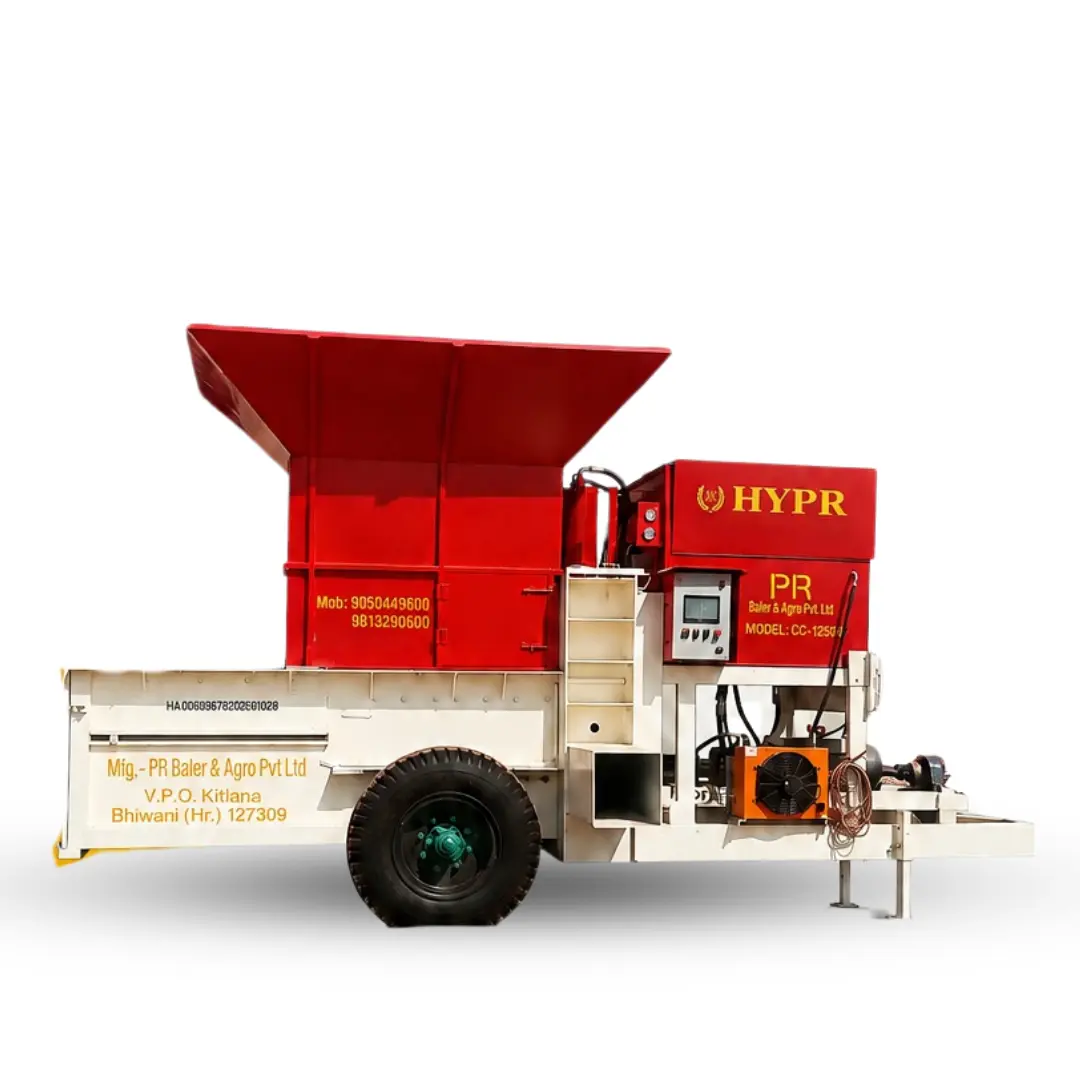
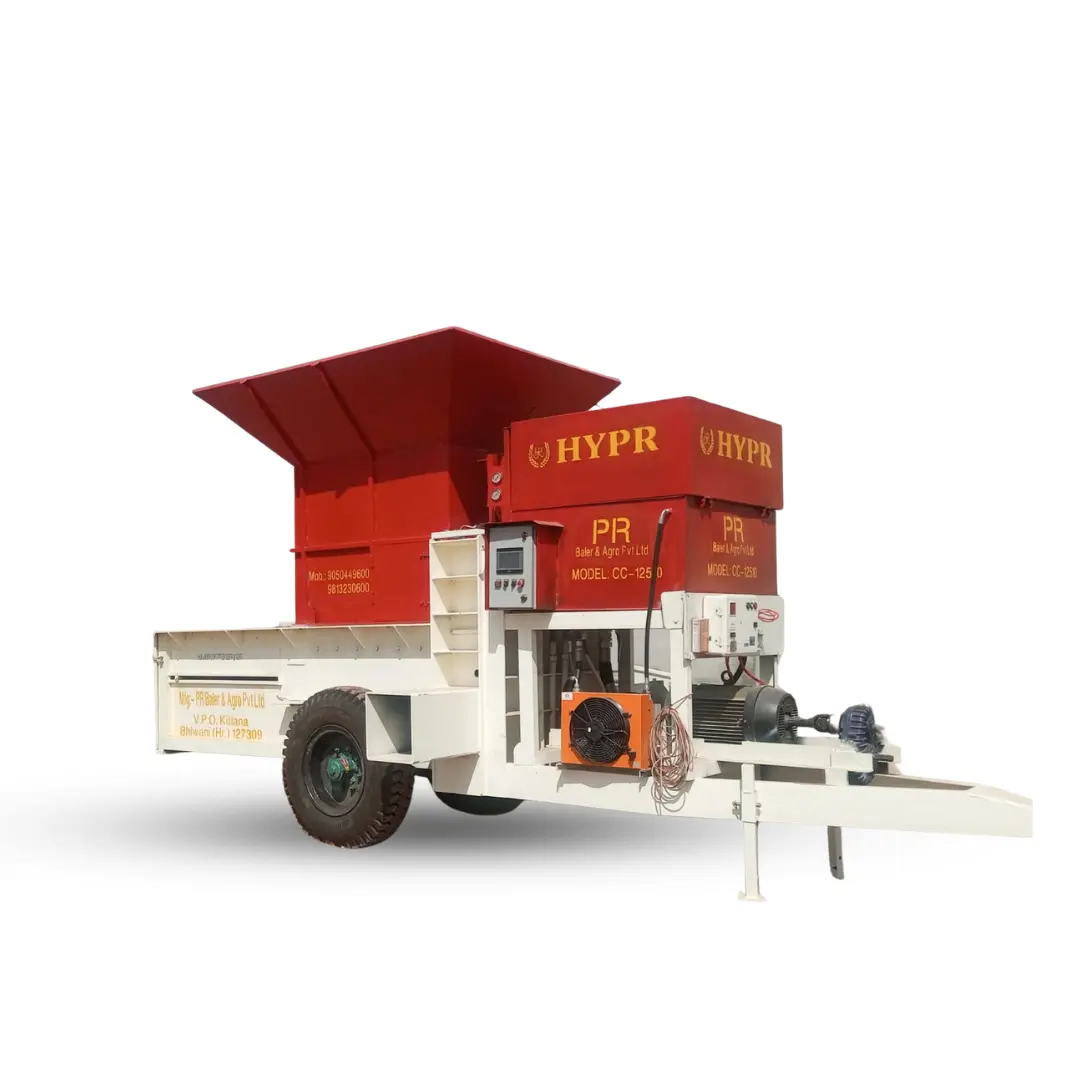
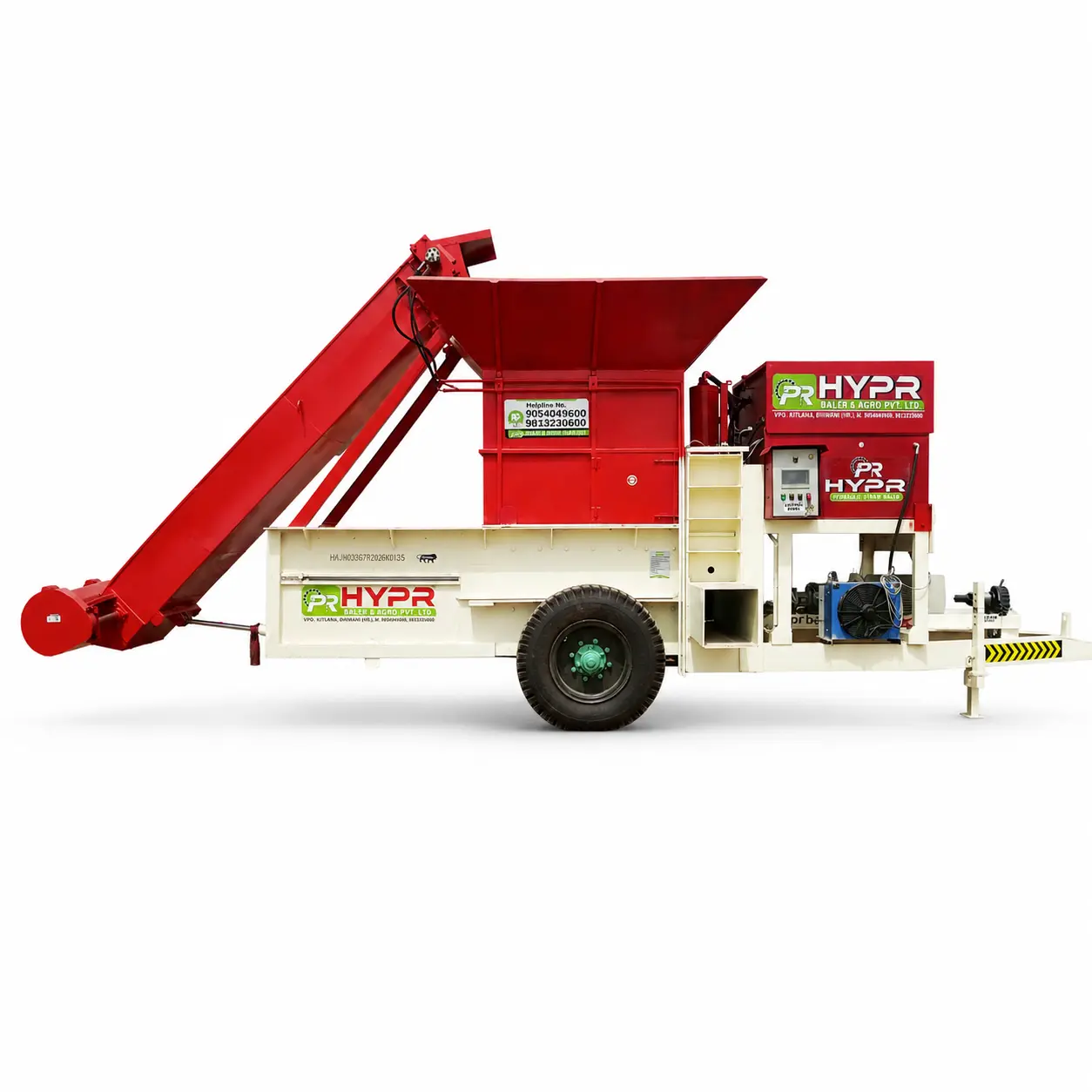
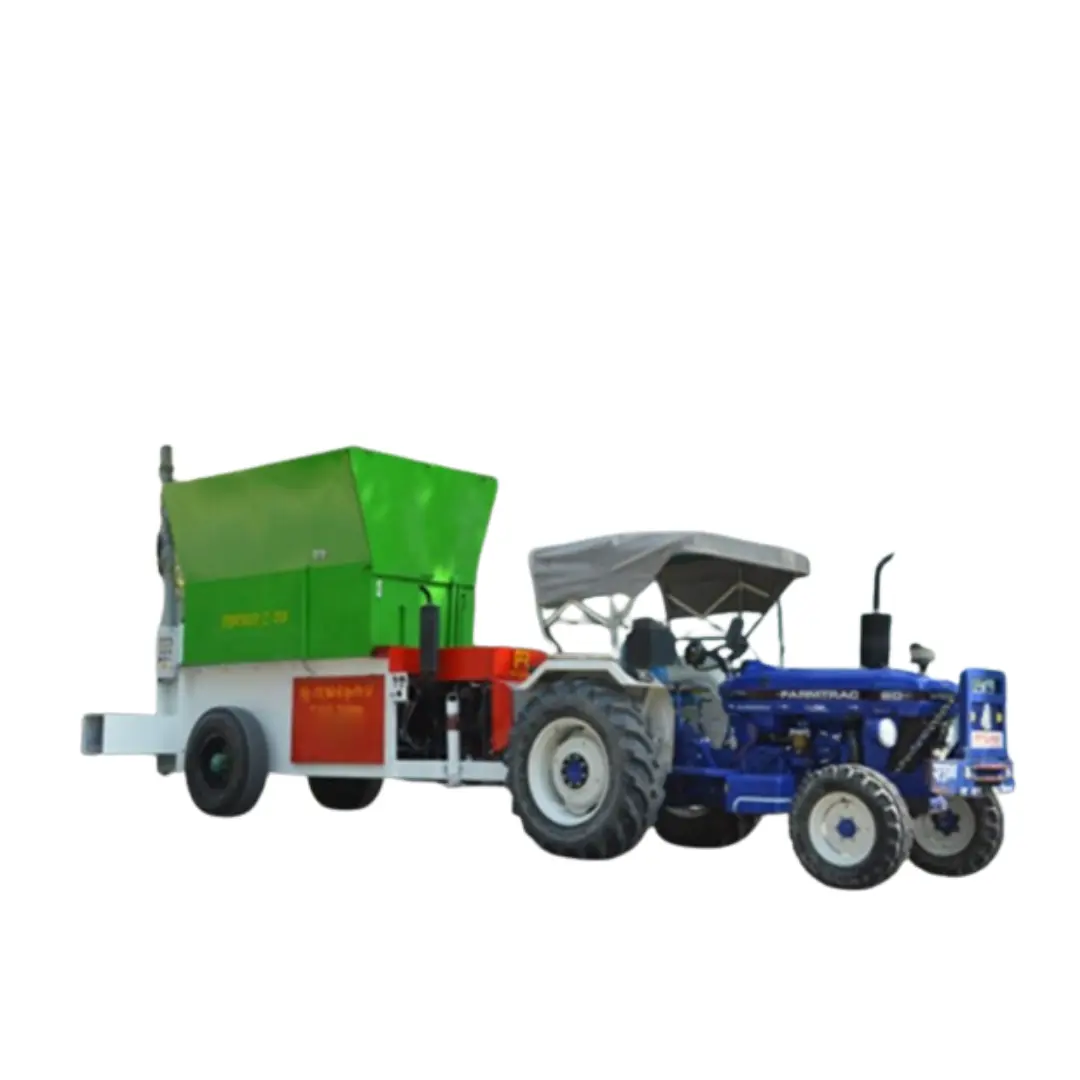
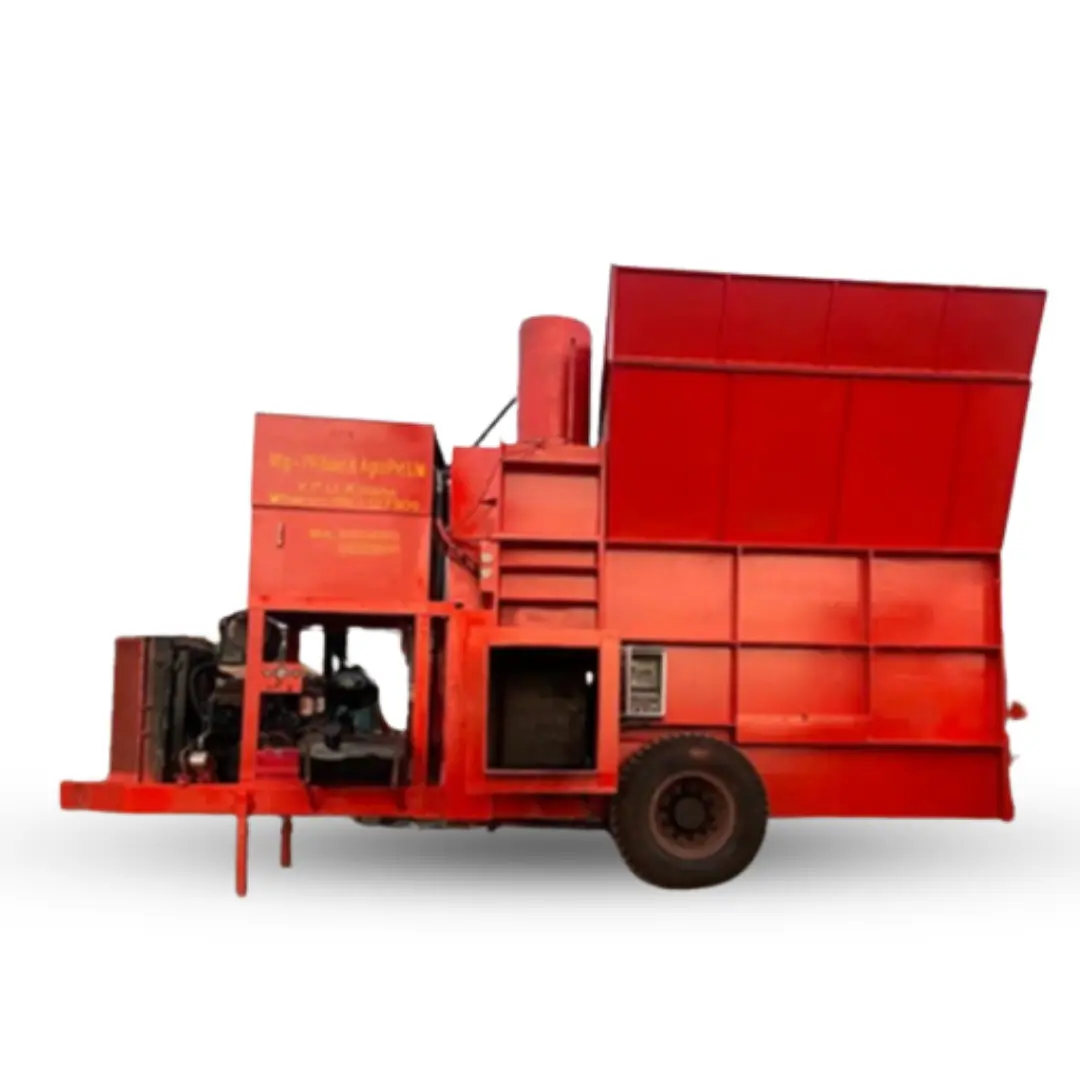
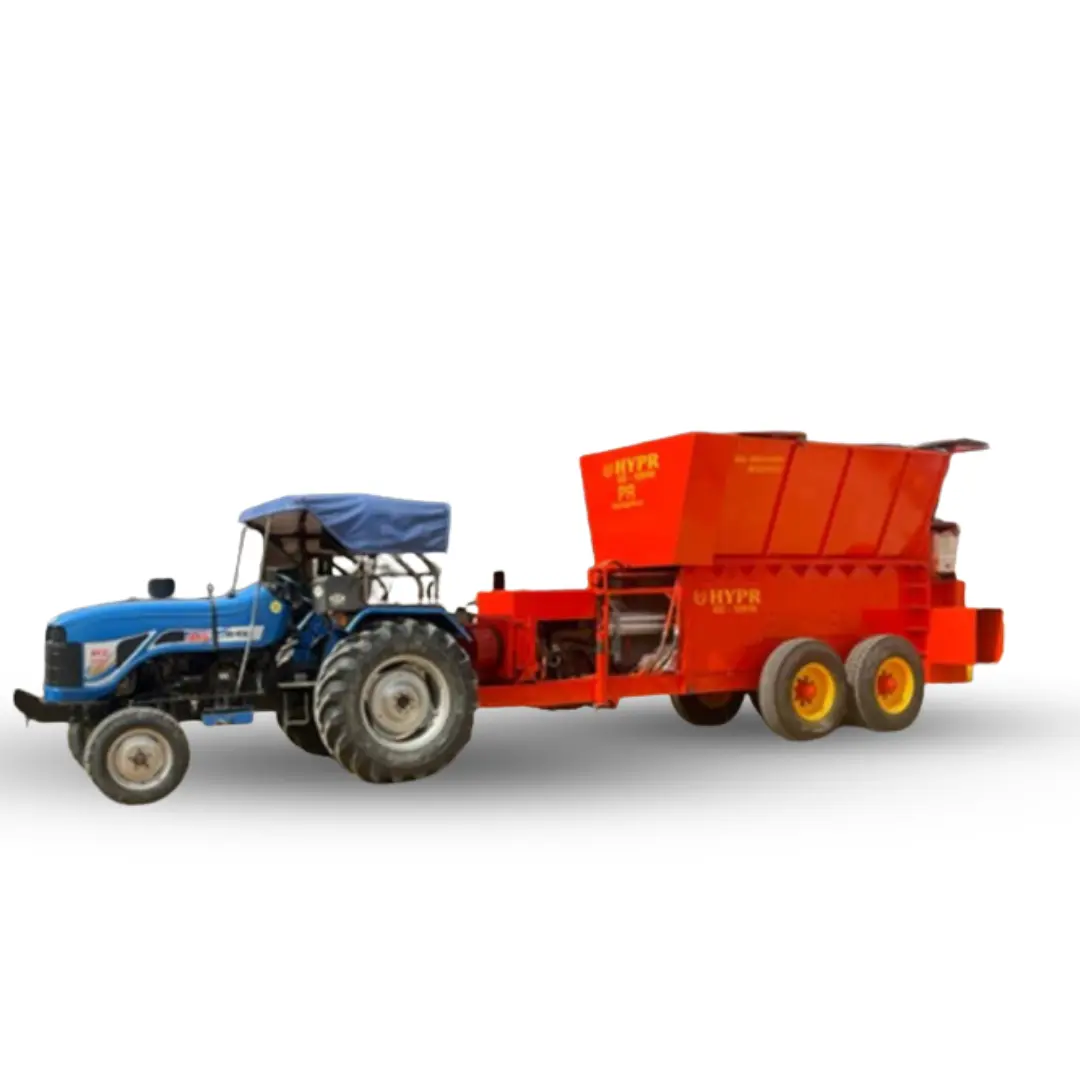
Emerging applications are expanding rice husk’s industrial relevance even further. High-purity silica extracted from RHA is used in rubber reinforcement, battery components, abrasives, and cosmetics. In agriculture, rice husk acts as a sterile, well-draining growing medium in hydroponics and as mulch or animal bedding. Researchers are also exploring its use in biodegradable plastics, 3D printing additives, and nanoparticle synthesis. For farmers and processors, efficient collection and baling—using machines from PR Baler—ensure husks are preserved and delivered in optimal condition for these high-value industrial uses.
Copyright© 2026 P.R. Baler & Agro Pvt. Ltd., All Rights Reserved. Designed By HD Smart Media