Mustard husk—once treated as useless waste from oil extraction—is now a high-demand industrial resource, especially in North India where Rajasthan alone produces 40% of the country’s mustard. With a calorific value of 3,500–3,700 kcal/kg, low ash content (≤13%), and moisture under 10%, it serves as an efficient, renewable biomass fuel that outperforms many conventional agro-residues in boilers, furnaces, kilns, and power plants.
Industries are increasingly switching to mustard husk briquettes because they are significantly cheaper than coal and furnace oil while delivering comparable thermal output. Sectors like textile mills, food and beverage processing, pharmaceuticals, paper mills, and chemical plants are adopting this biofuel to cut energy costs by up to 40–50%, reduce carbon emissions, and comply with environmental regulations. Unlike fossil fuels, mustard husk is 100% natural, requires no chemical binders, and supports circular economy principles by repurposing farm waste.
Beyond energy, mustard husk has emerging applications in sustainable construction and environmental remediation. It is being used to produce eco-friendly bio-bricks and lightweight insulation materials. When converted into biochar through pyrolysis, it becomes a carbon-rich soil enhancer that improves water retention, boosts fertility, and sequesters carbon for decades. Biochar from mustard husk also serves as a precursor for activated carbon in water filtration and industrial adsorption processes.
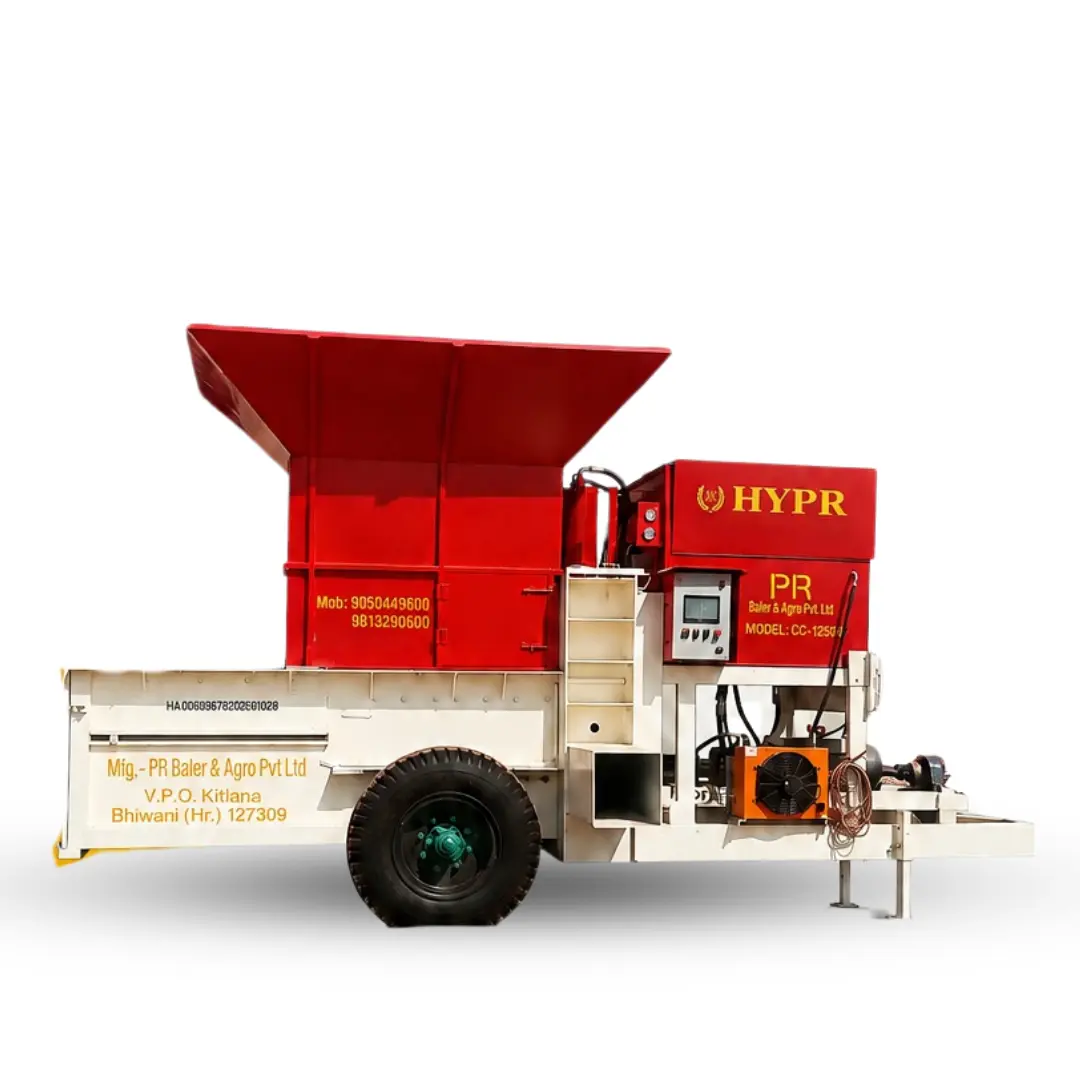
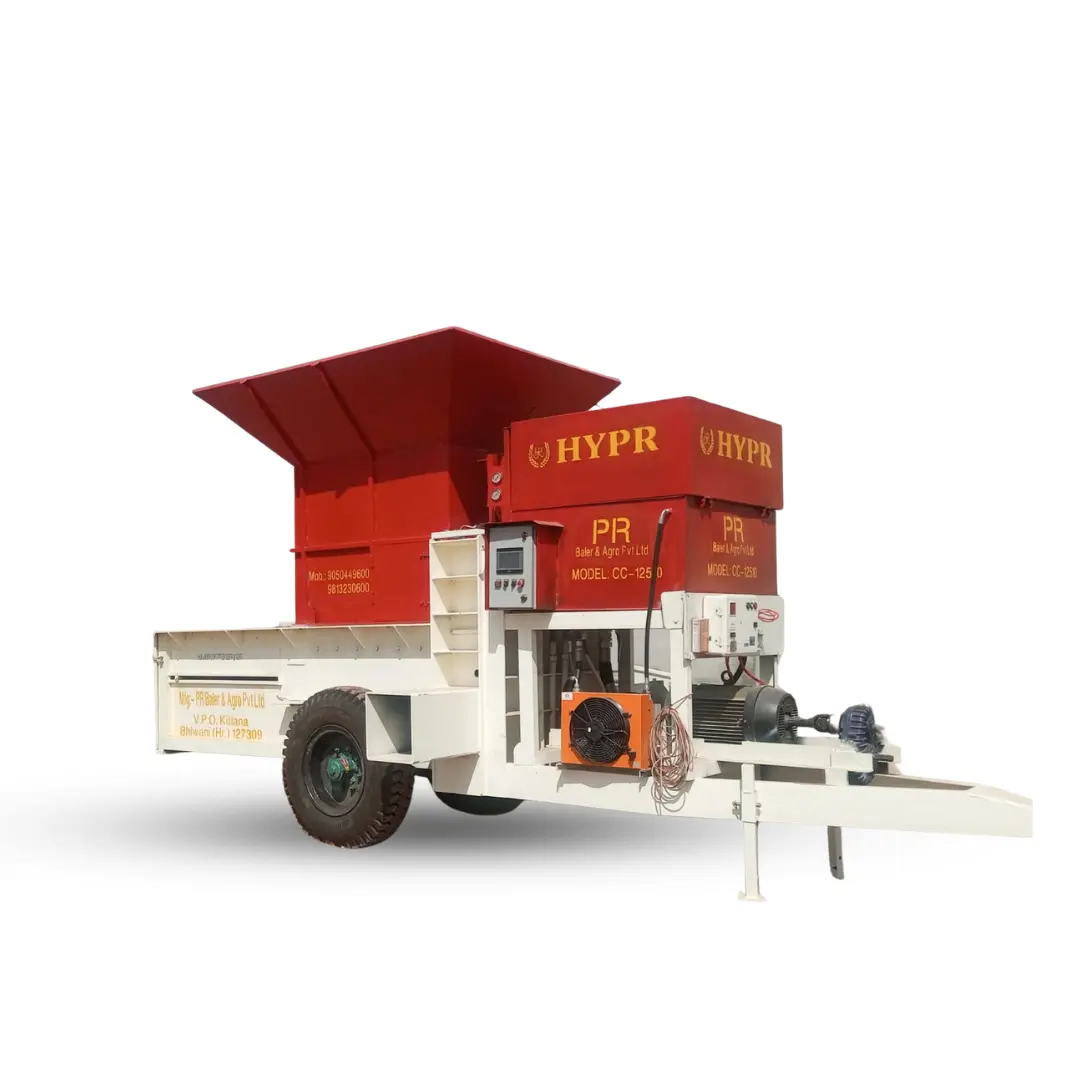
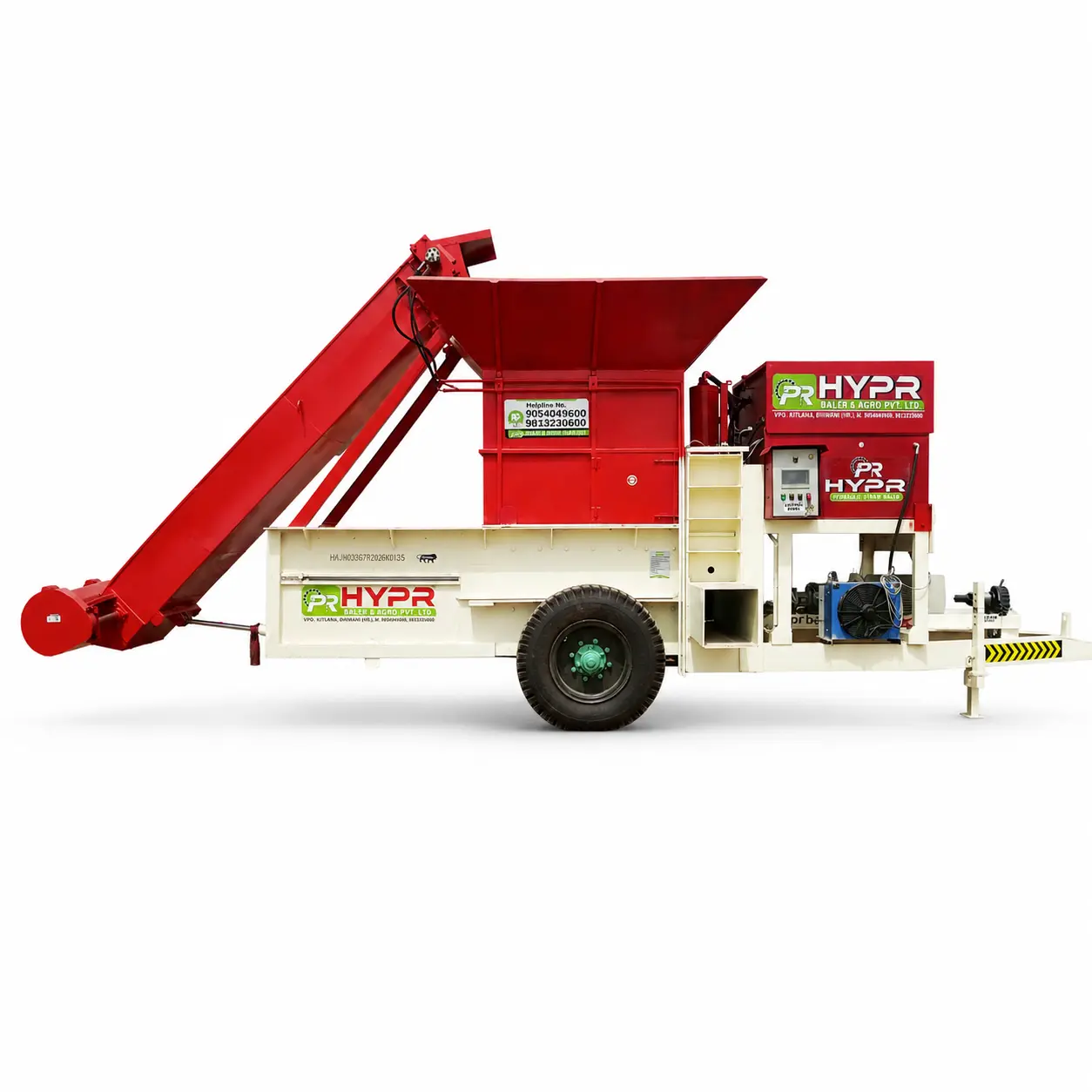
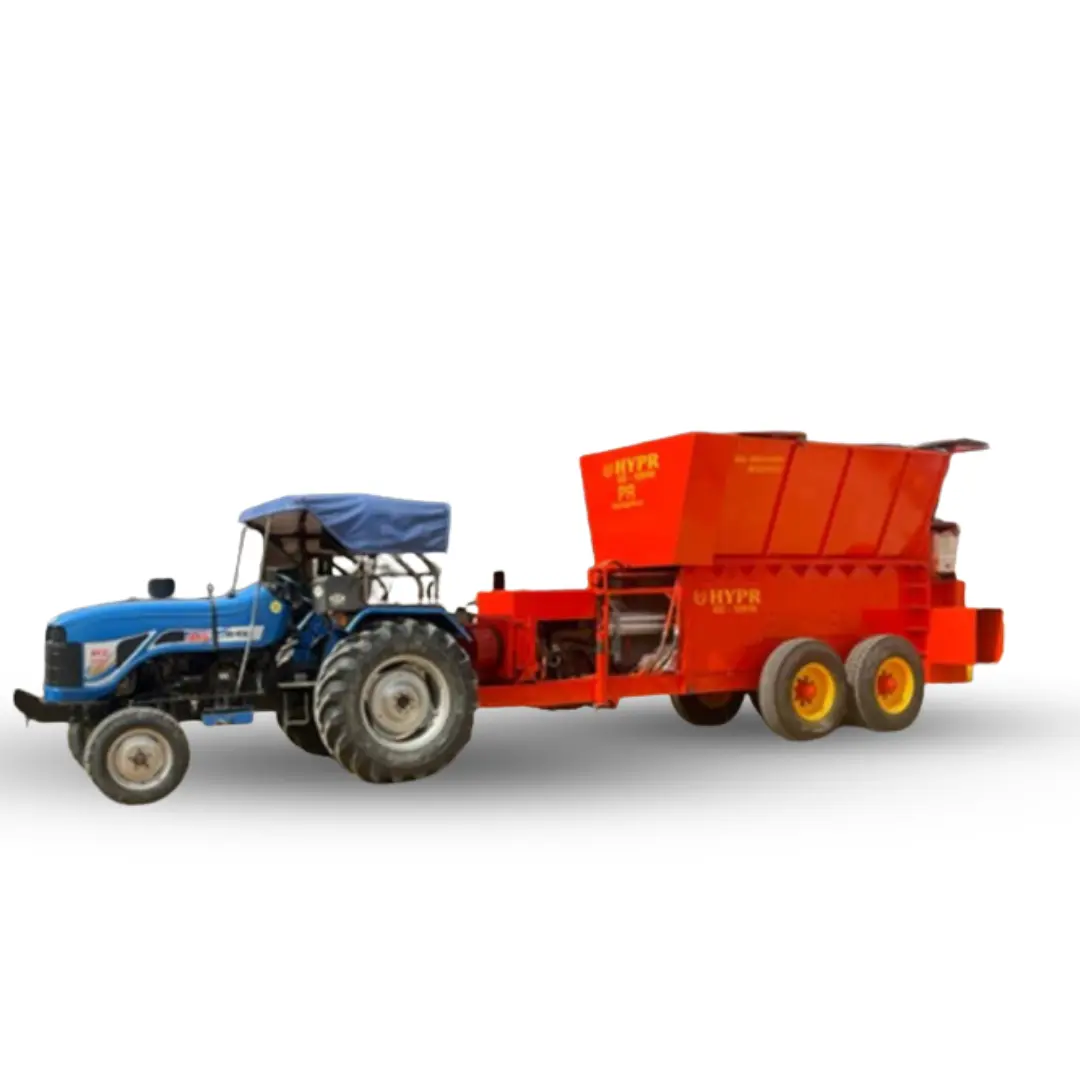
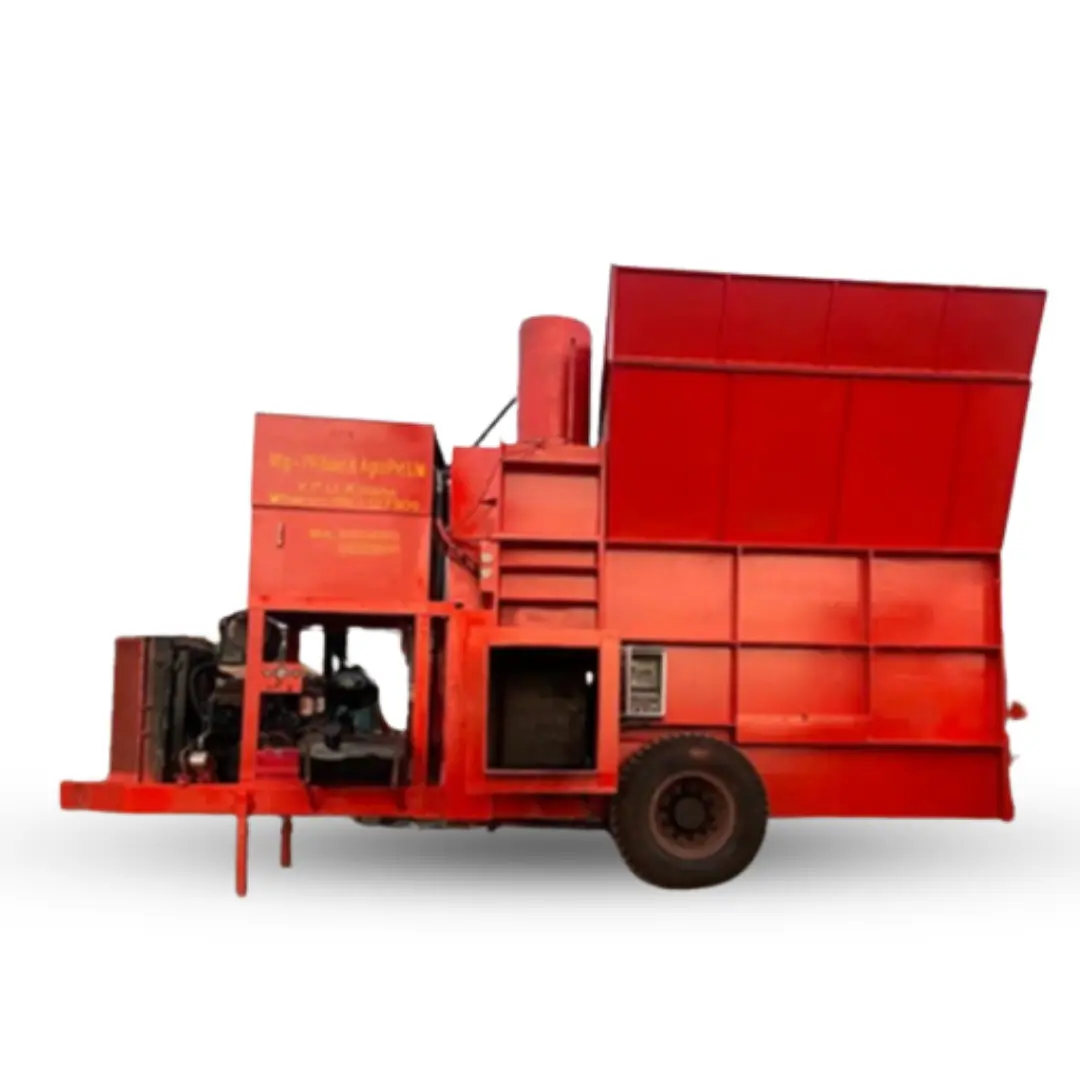
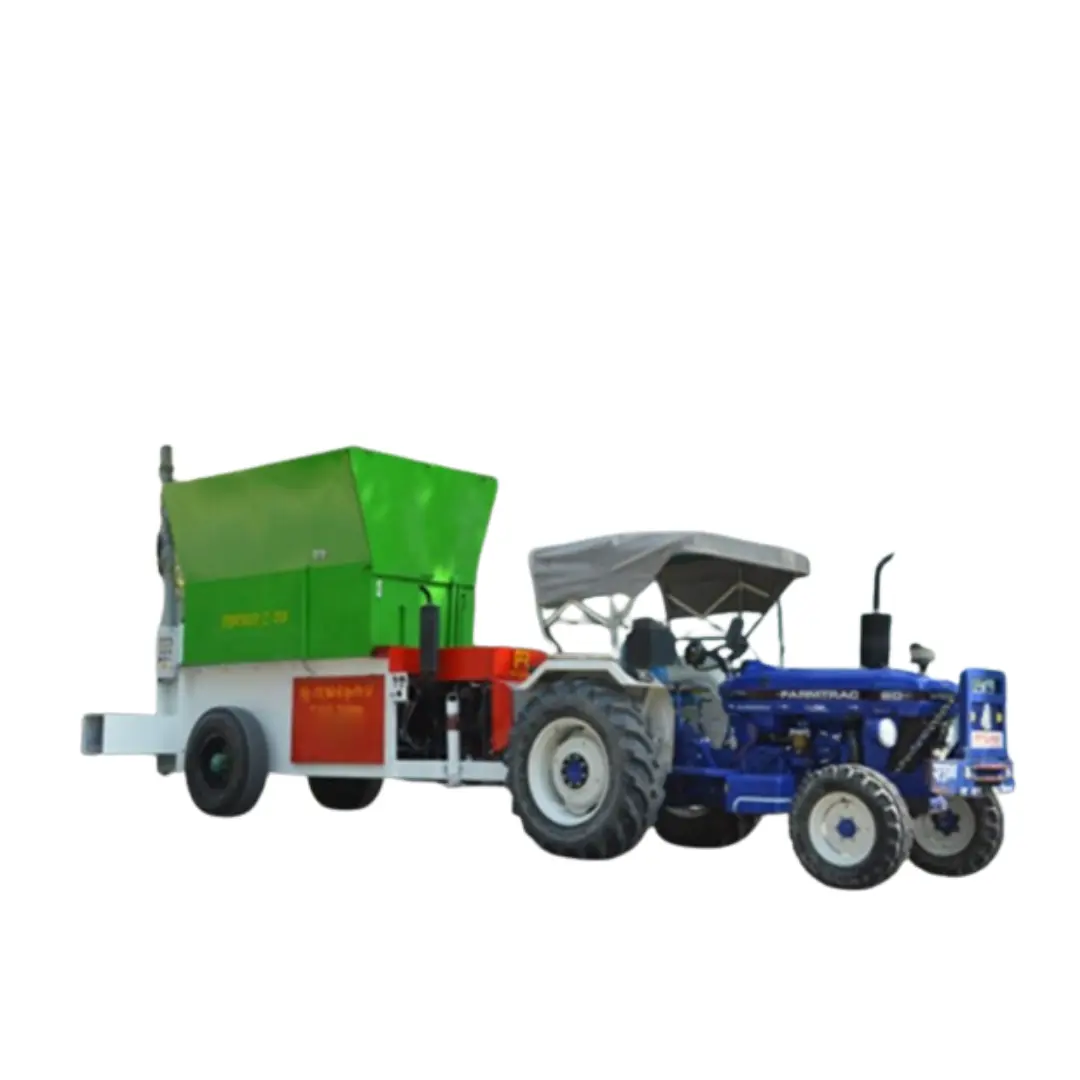
For farmers, this shift means new income—mustard husk now sells for ₹3–4 per kg instead of being discarded. For industries, it means reliable, affordable, and green energy. Efficient collection, baling, and densification—using equipment from PR Baler—ensure consistent supply, preserved quality, and optimal delivery for industrial users across India, making mustard husk a cornerstone of the country’s growing biomass economy.
Copyright© 2026 P.R. Baler & Agro Pvt. Ltd., All Rights Reserved. Designed By HD Smart Media